Beyond Policy: How transparency and empowerment build a true culture of child safety
Over the past year, the Australian early childhood sector has faced profound scrutiny. In response, the Federal and State governments have introduced sweeping, historic child safety legislative reforms across 2025 and 2026. These changes mandate strict new rules, including the absolute legal requirement that
“the safety, rights, and best interests of children to be the absolute paramount consideration in every decision made at an early learning center.” (Education and Care Services National Law)
The national reforms enforce mandatory national child protection training for all sector workers, tight restrictions on personal device usage around children, and the creation of a National Educator Register. At Sustainable Play, we do not view these strict new laws as a regulatory hurdle—we welcome them wholeheartedly.
Before these reforms became law, our centre was already operating with high thresholds of visual transparency, digital device governance, and proactive Educator vetting.
We deeply understand the vulnerabilities and anxieties parents face today regarding child protection—many of us are parents ourselves. That is why we don’t just have policies; we live and breathe a deeply ingrained, active safety culture.
True child safety is achieved by building an environment that protects children from the outside while empowering them from the inside.
Read on for more details about how we protect children at Sustainable Play.
1. Transparency as our structural foundation
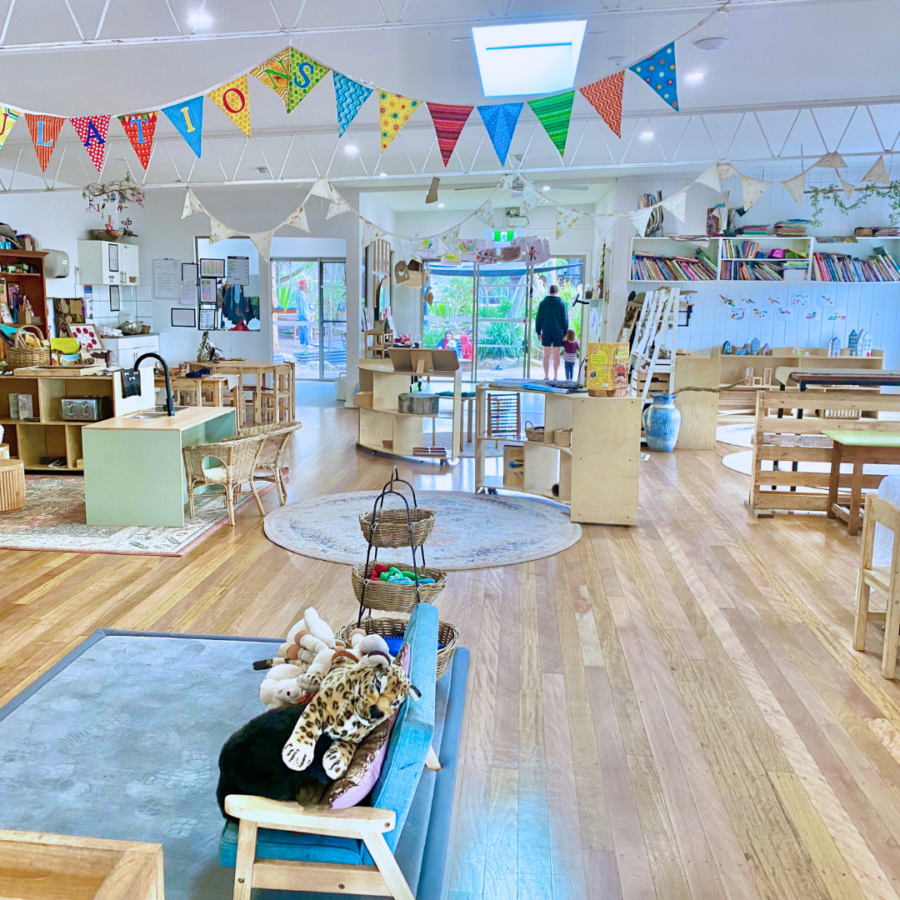
Abuse and safety failures thrive in isolation and hidden corners. We have intentionally engineered our entire environment to ensure complete, uncompromised visibility:
- Open-Door Philosophy: Families are always welcome Preschool, at any time. No hidden schedules, no closed sections.
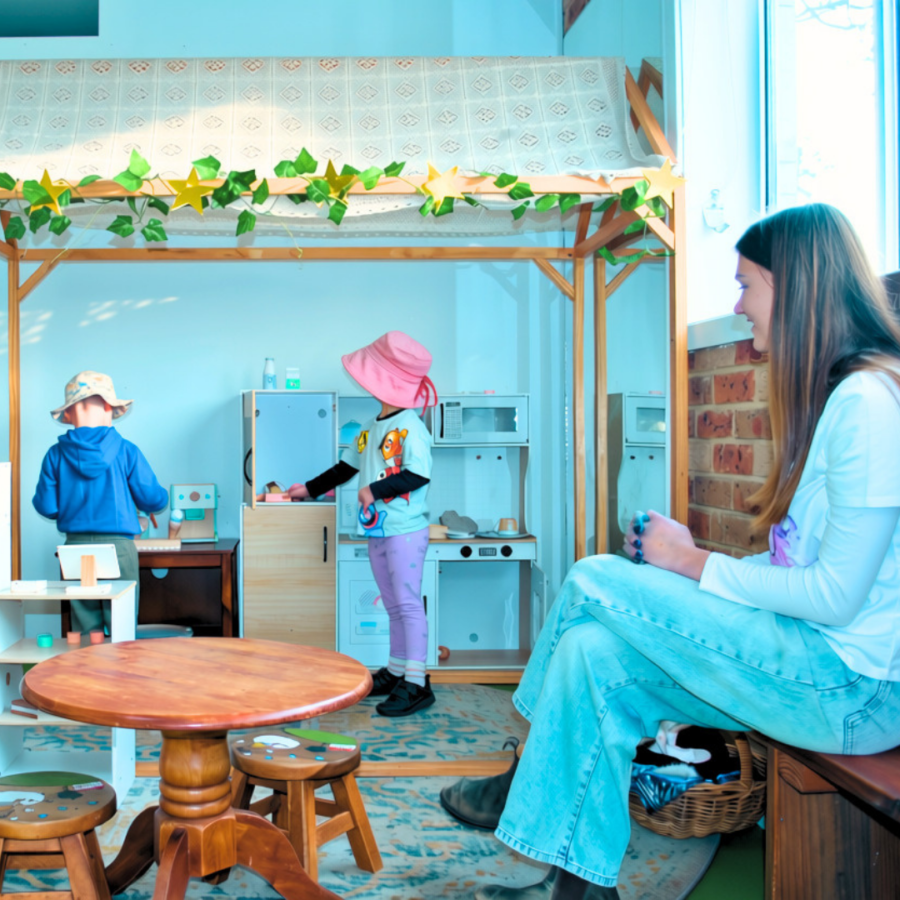
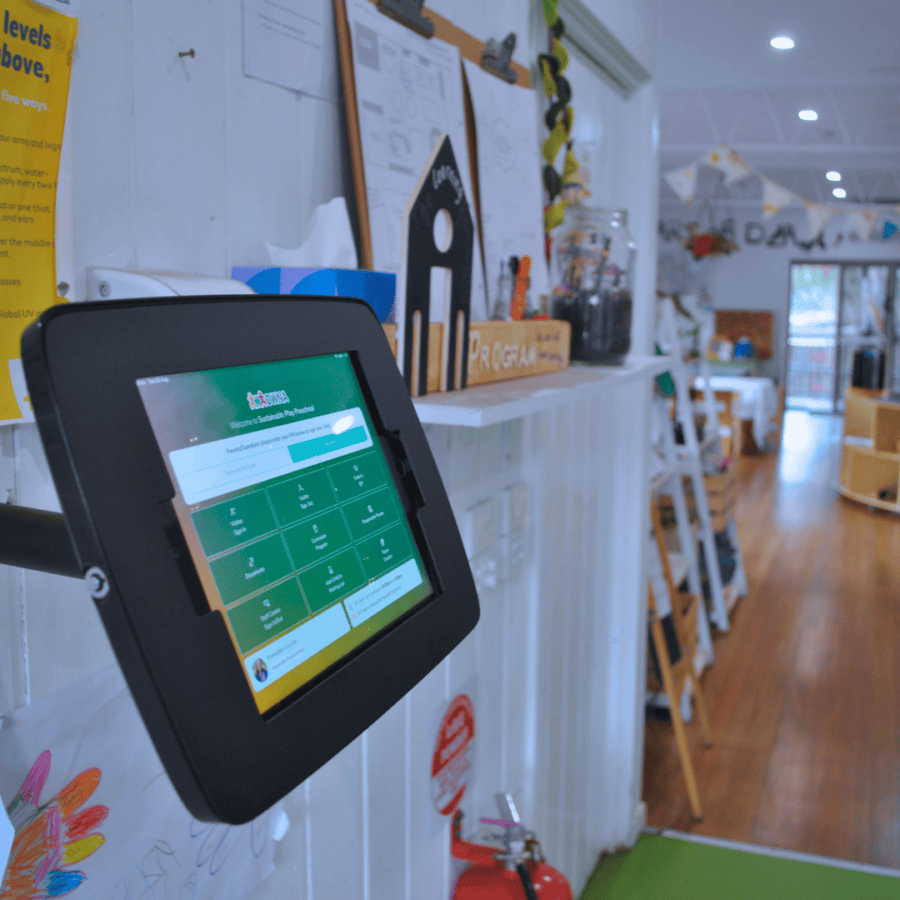
- Architecture of Visibility: Our building design eliminates blind spots. Rooms feature open-plan layouts and expansive glass sliding doors and windows.
- Zero Private Spaces: Educators and outside visitors are strictly prohibited from taking a child out of sight for one-on-one time.
2. A tightly guarded environment
An open and transparent layout does not mean a vulnerable one. We maintain strict control over who enters our space and how they interact with our children:
- Rigorous Staff Vetting: Every Educator on our team must pass exhaustive interview processes, comprehensive criminal history checks, and clear Working With Children Checks (WWCC).
- Mandatory Sign-Ins: When outside specialists—such as Occupational Therapists (OTs) or Speech Pathologists—visit our children, they must sign in, present a verified WWCC, and perform their work in full view of our core staff.
- Essential-Only Access: We intentionally limit external visitors to ensure a calm, minimally disruptive, and highly secure environment.
3. The empowered child: teaching body autonomy
True safety means giving children the tools and vocabulary to protect themselves when an adult isn’t right next to them. We proactively teach personal boundaries and body safety in a gentle, age-appropriate way:
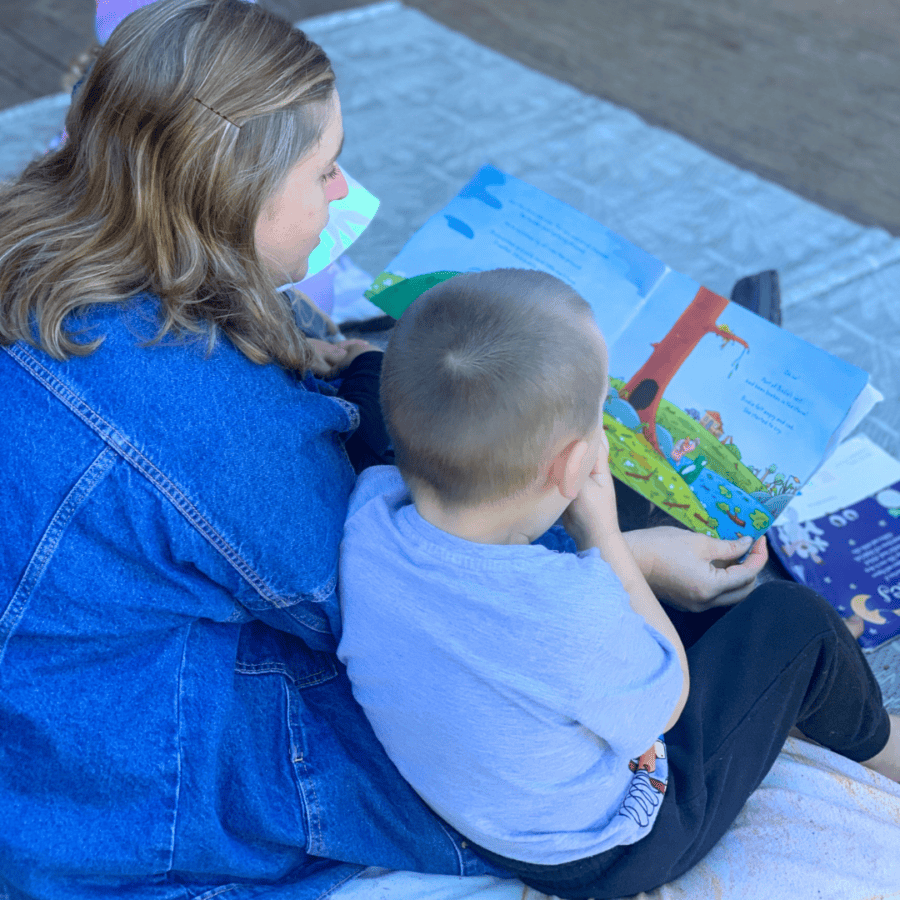
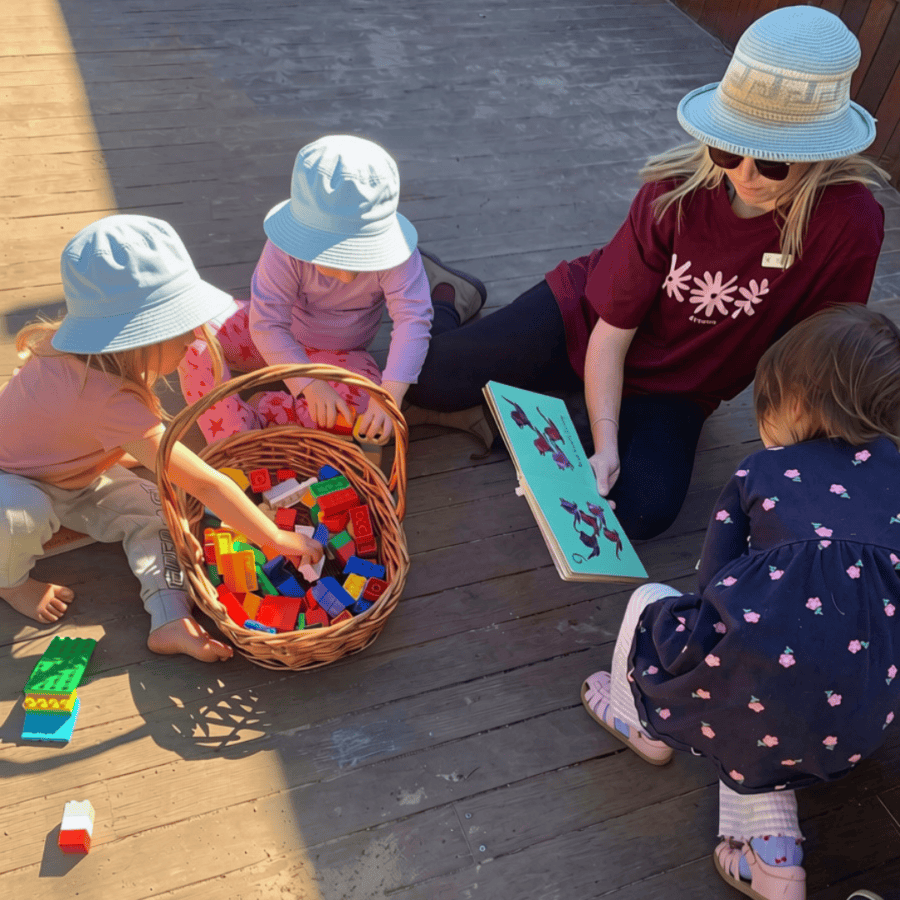
- The NSW ‘SAFE series’: We use the official NSW Office of the Children’s Guardian SAFE Book Series (featuring Sam the Safe Explorer, Andy Learns the Undies Rule, Fiona Finds Five Heroes, and Eve Listens to Her Feelings) to teach children how to recognise unsafe feelings and identify trusted adults they can talk to.
- The RIE Approach: Grounded in a respectful care model, we teach children that their voice and their body belong exclusively to them. They learn that they have the complete right to dictate their own personal space.
4. A culture of constant accountability
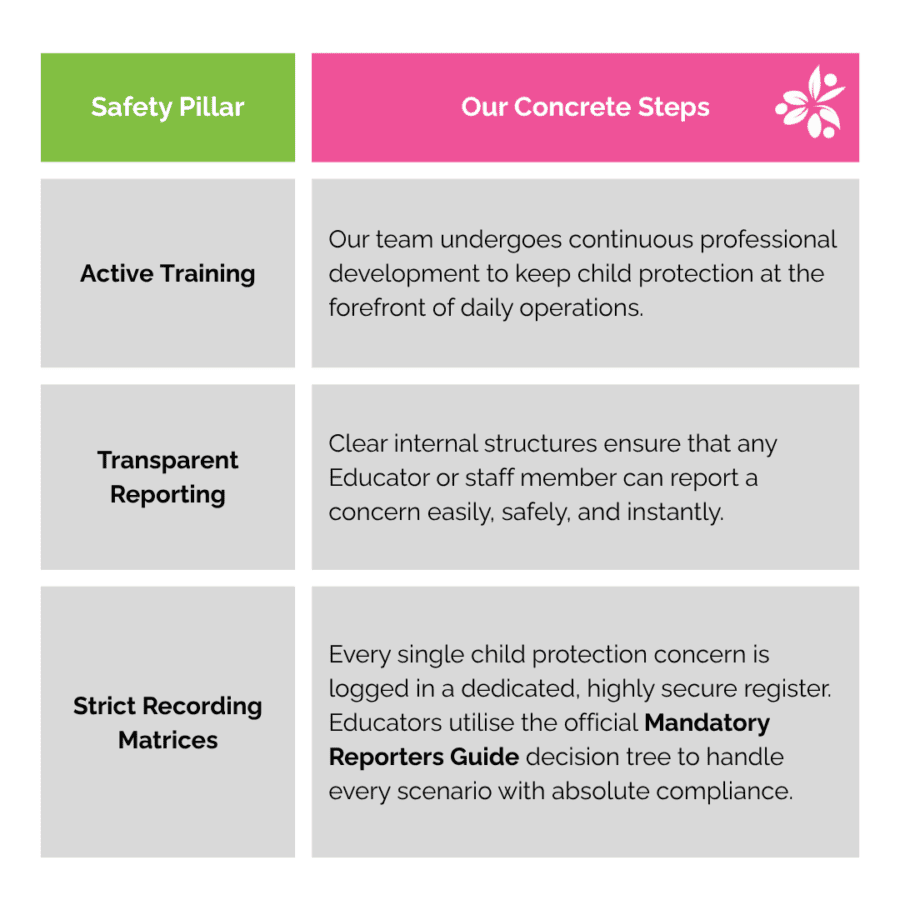
Safety is not a box we tick once a year; it is an ongoing, active practice:
Our commitment to your peace of mind
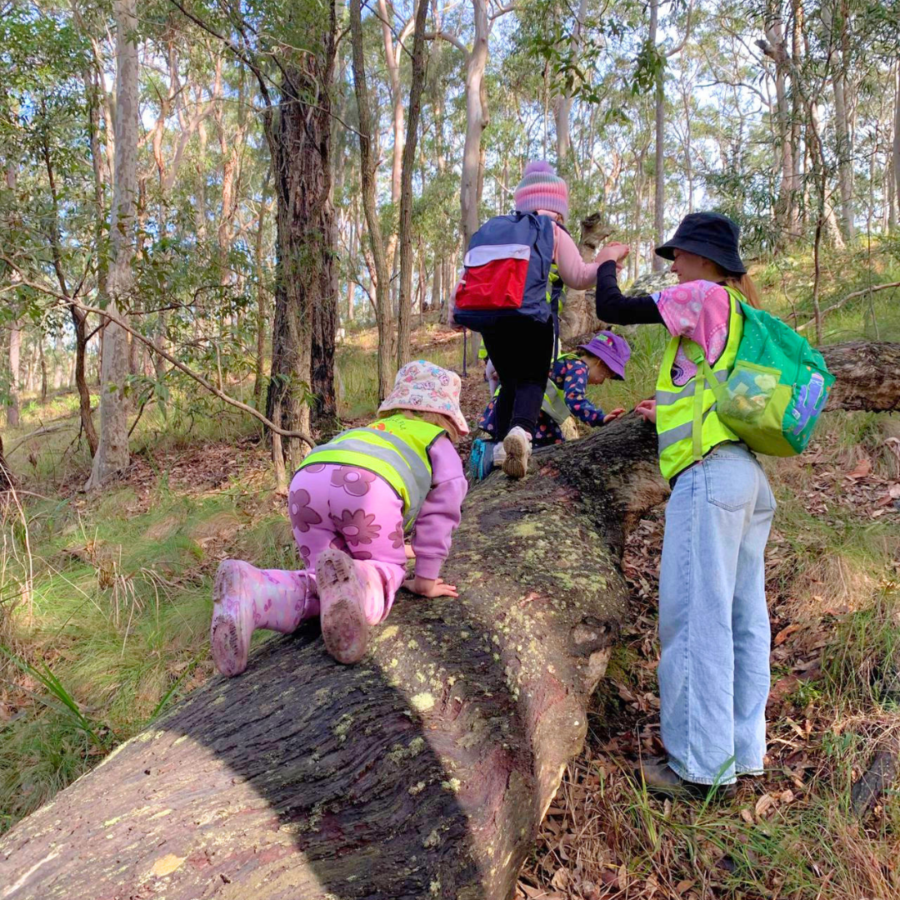
From navigating supervised risks during Bush Kindy to learning about boundaries in the classroom, child protection drives every single decision we make.
We promise to keep evaluating our practices, training our team, and keeping our doors wide open to you.
To view more about our commitment to child safety, please explore our dedicated Commitment to Child Safety Page.
If you have any questions about our specific safety matrices, please reach out to our team—our doors are always open to discuss how we care for your family.