
Bush Kindy: What is it?
Bush Kindy
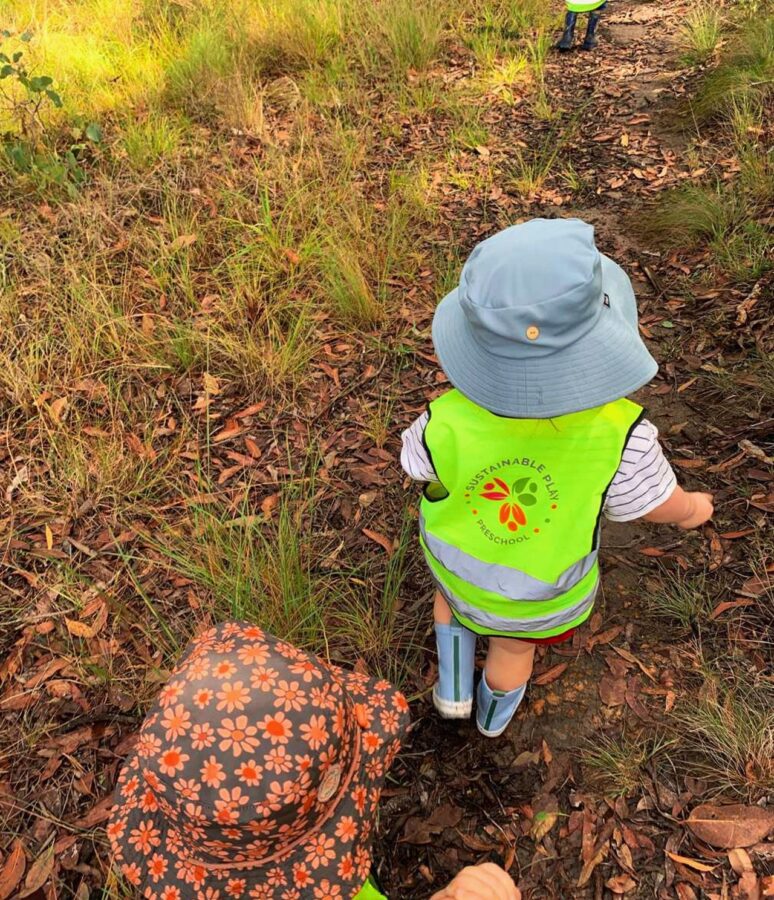
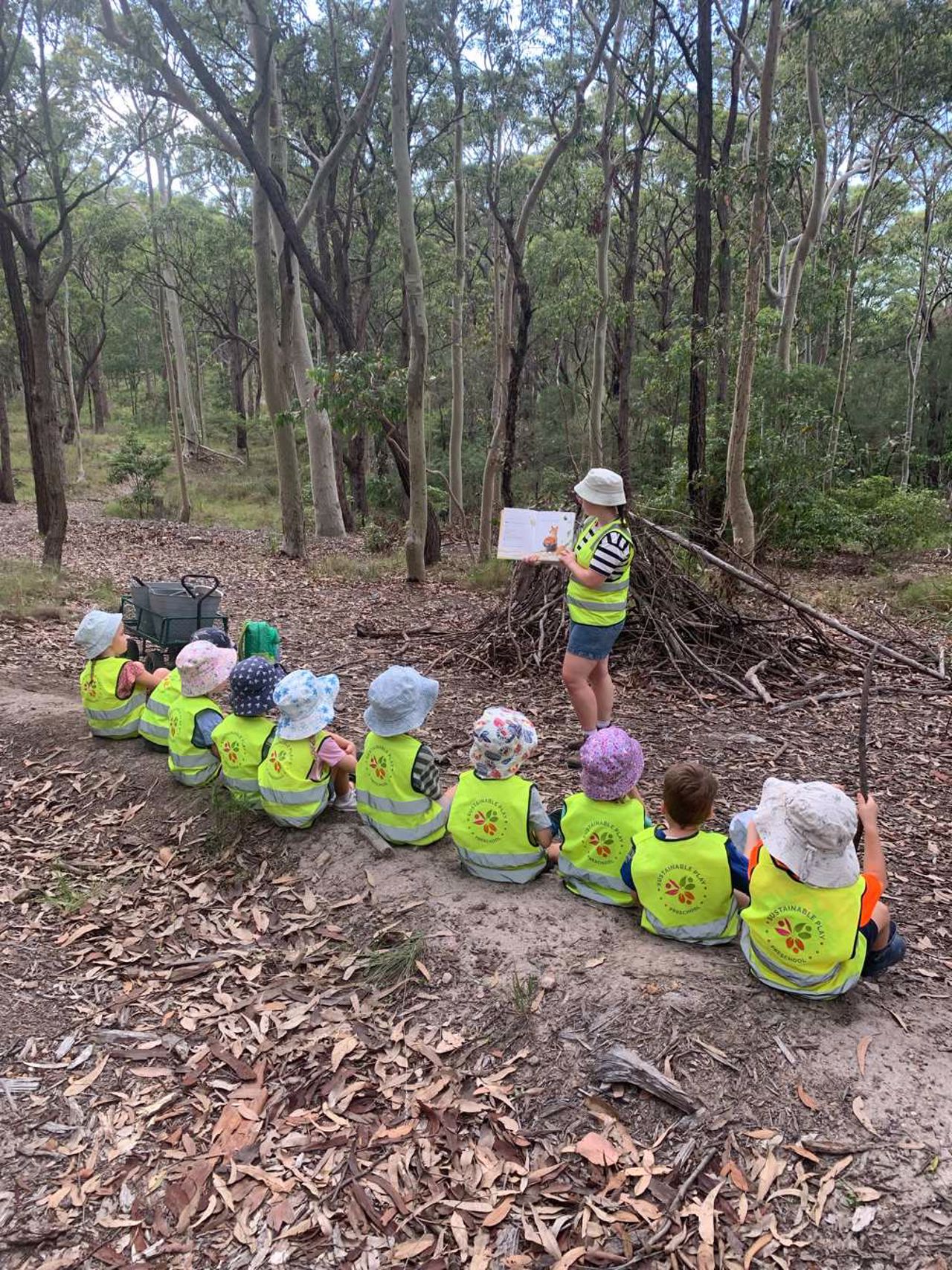
Here at Sustainable Play Preschool, we regularly participate in Bush Kindy excursions. Bush Kindy involves taking a group of children on a walk to our local bushland to explore, learn and connect with nature. Our Bush Kindy excursions intertwine with our Wild on Country program, which are a sector of our Educational Core Values. Wild on Country merges with Bush Kindy principles where the focus is on connecting children to natural bushland spaces. Sustainable Play Preschool acknowledges the Aboriginal and Torres Strait Islander people as the traditional custodians of the land upon which we learn and explore.
How does it work?
Our Bush Kindy excursions begin with a safety talk, where we inform the children of the potential hazards that we can encounter during Bush Kindy and how to deal with these if they occur. Outdoor learning and play does involve risks, however these risks are manageable and precautionary measures are taken to ensure the safety of the children. We ensure that the children understand the importance of road safety, as they will hold hands on their walk to the bush. Children are required to wear fluorescent hi-vis vests on every excursion. Educators also bring a first aid kit to every Bush Kindy excursion.
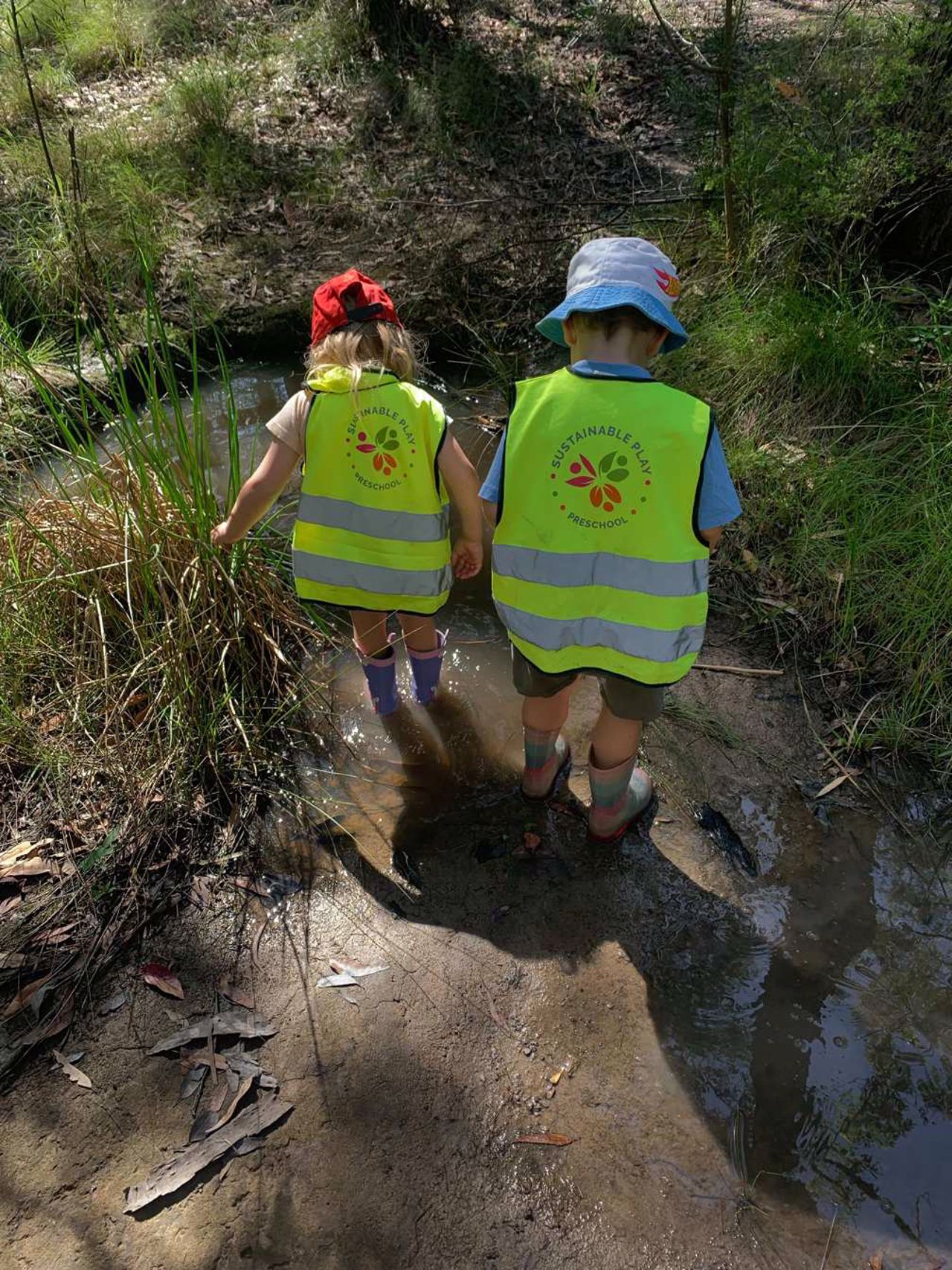
The Sustainable Play approach to Bush Kindy involves supporting child-led play and encouraging the children to assess their own risks, to help develop their bodily autonomy. We spend several hours exploring, playing imaginative games, building structures, climbing and investigating, no matter the weather. Bush Kindy facilitates play alongside problem solving, while exploring and connecting to the local community and bushland. Educators try to intervene only when necessary and as little as possible, to allow children to establish their self-confidence skills. We also strive to leave no trace when out in nature and have a minimal impact on the environment.
Why take the classroom outdoors?
Connection with nature is critical for our physical, mental and social wellbeing. The outdoor environment provides the perfect place for children to run, jump, explore and learn. Children who learn outdoors are less disruptive, whilst showing improved motor skills, social skills and physical health. Bush Kindy provides an opportunity for children to connect with their environment and to take care for the earth when exploring in nature.
Through our Bush Kindy excursions, children have the opportunity to:
-gain experience traversing uneven and steep terrain
-learn to identify local trees, plants, bird calls and insects
-spark curiosity and questions about the natural world
-experience free play in natures elements
-explore interests without technological distractions
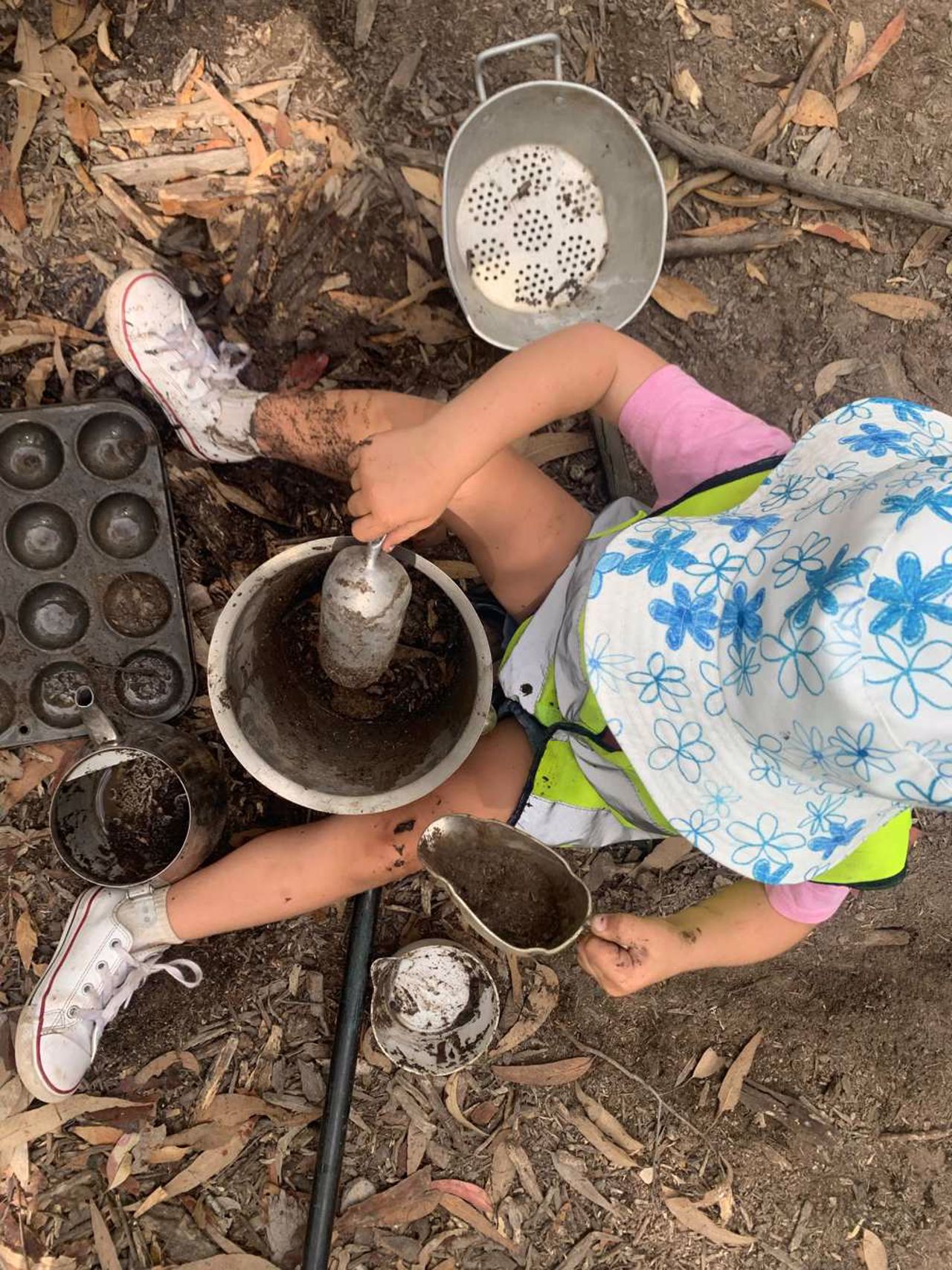
The Early Years Learning Framework
Identity: Children develop a sense of security with familiarity. Regular sessions in outdoor learning helps children build and explore their identity.
Community: Through first hand experience, children develop an awareness of their impact on the local environment and can get involved in caring for nature.
Wellbeing: Regular contact with nature relieves children’s minds and ignites curiosity. Outdoor environments allow children to expand and refine their abilities, mentally and physically.
Learning: Ever-changing outdoor environments invite hypothesising, imagination, interaction, problem solving and experimentation.
Communication: Children can share stories, use natural materials to create art and interact with each other and their surroundings to create drama and music.
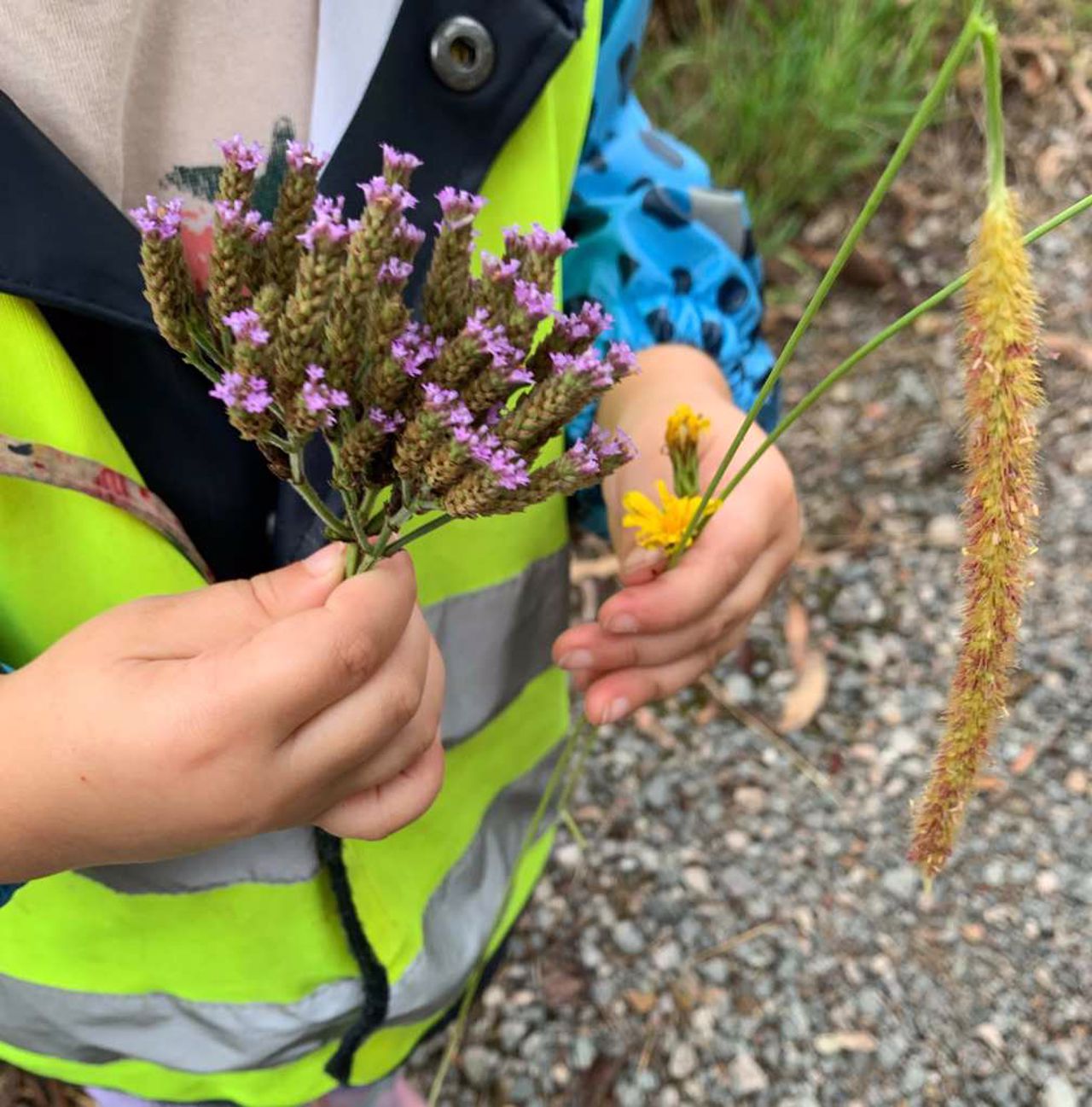
Uninterrupted, self-directed time in nature allows children to engage in deep, creative and sensory-rich play. The immersive and open experience of Bush Kindy enhances physical development, curiosity and emotional regulation while building a lasting connection to the environment and improving overall mental well-being. By helping children to develop a connection to the natural world, they can learn to appreciate the beauty of nature and understand their role in preserving it. This connection to nature also helps them to establish a sense of responsibility and respect for the environment.