Primary Educator Model: Building Deep Connections for Secure, Confident Children
At Sustainable Play Preschool, relationships sit at the heart of everything we do. Children don’t just pass through our rooms, they become deeply known, understood, and supported by educators who take the time to build genuine, responsive and respectful connections.
This belief is why we proudly implement the Primary Educator Model, an approach grounded in decades of attachment research, RIE® principles and contemporary neuroscience. We know children thrive emotionally, socially and cognitively when their world feels predictable and secure and this model allows us to offer exactly that.
What Is a Primary Educator?
A primary educator is a key adult responsible for a small group of children. They become the child’s first relationship at preschool, the person who knows their rhythms, cues, interests and emotional needs better than anyone else in the room. They are also the family’s go-to contact, creating consistency and trust from the very beginning of enrolment.
A secondary educator supports this group, stepping in with the same understanding and approach when the primary educator is away. This keeps the experience stable and familiar for children, even in changing daily environments.
Why Smaller Groups Create Better Care
Imagine caring for 50 children every week. How much specific, meaningful information could you realistically retain? Now compare that to caring deeply for 10 children.
The difference is not just organisational—it is neurological and relational.
Caring well for 10 children allows educators to hold rich, meaningful knowledge: small details about sleep patterns, comfort preferences, sensory needs, emotional cues and tiny changes that matter deeply.
Children feel the difference immediately. When an educator knows exactly what a certain cry means, or how a particular child likes their lunch arranged, or which soft toy helps them settle, the child’s nervous system says:
“I’m safe. I’m understood.”
This is the foundation for every healthy developmental leap that follows.
The Theories Behind This Approach
Contemporary neuroscience and decades of relationship-based research strongly support the Primary Educator Model. Neuroscience educator Nathan Wallis explains that in the early years, the brain is not focused on academic learning but on building the foundational structures for emotional regulation, attachment and trust. The brain develops from the “bottom up,” meaning children cannot access higher-order thinking until they first feel safe, connected and regulated.
This understanding aligns with the work of Beth McGregor, the Circle of Security and RIE® pioneers Dr Magda Gerber, Emmi Pikler, and Janet Lansbury, all of whom emphasise that respectful, predictable relationships are at the heart of healthy development. When a child has one consistent educator who genuinely knows them, their cues, rhythms, temperament and needs, their stress levels lower, their confidence rises and the “thinking brain” becomes available for learning and exploration.
As Beth McGregor reminds us, children regulate through the adult, not alone. Their nervous systems settle when the adult who knows them best offers presence, attuned responses and comfort. Similarly, the Circle of Security teaches that children need a secure base from which to explore and a safe haven to return to when overwhelmed. A primary educator becomes that base, predictable, familiar and deeply attuned, allowing children to explore, socialise and grow with increasing independence.
Why the Primary Educator Model Works for Sustainable Play Preschool
1. We prioritise relationships above routines.
Children experience more calmness, more attunement and more authentic connection when one educator is emotionally invested in them.
2. We believe care moments are learning moments.
Inspired by RIE, we view nappy changes, toileting, mealtimes and settling not as tasks but as opportunities for connection, trust, communication and co-regulation.
3. We value deep knowledge over surface-level interactions.
Our educators understand their small group intimately. They recognise sensory needs, behavioural cues, early signs of overwhelm or subtle shifts in wellbeing that might otherwise be missed.
4. We want families to feel held and supported.
Families deserve a clear, consistent point of contact who knows their child deeply. This builds real partnerships and reduces the overwhelm of communicating with a large team.
5. We support children of all ages – not just infants.
Although this model emerged from infant programs, we see its benefits across toddlers, pre-schoolers, and even into early school years. All children regardless of age, need predictable relationships to feel secure enough to explore their world.
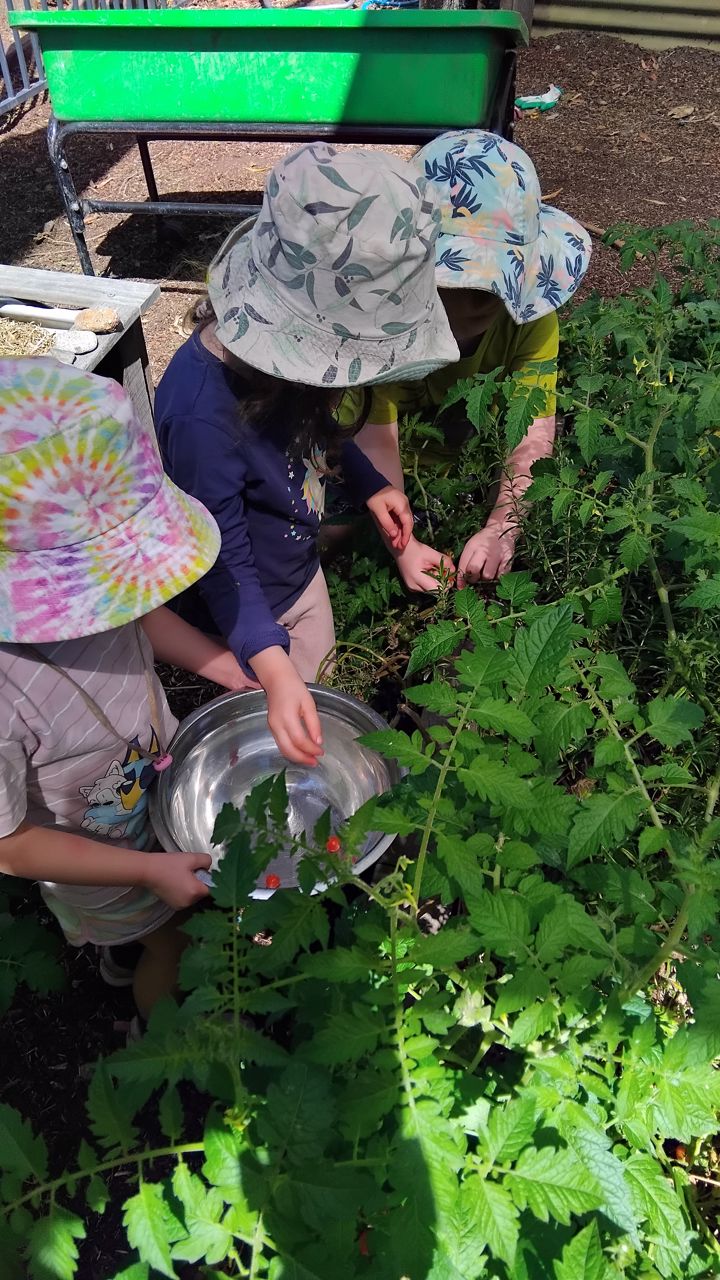
Why Primary Educator Approach is More Meaningful Than Traditional Grouping
Traditional models often spread educator attention thinly across large groups. While this can function logistically, it rarely supports the level of connection children truly need.
The Primary Educator Model offers:
-
More emotional attunement
-
Faster settling
-
Stronger self-regulation
-
More confident exploration
-
Better communication between home and preschool
-
Greater independence as children grow
When children feel held by one core relationship, their ability to navigate the social and sensory complexities of a preschool environment strengthens dramatically.

A Model That Reflects Who We Are
Sustainable Play Preschool’s philosophy is built on connection, respect and the belief that every child deserves to be deeply known. The Primary Educator Model reflects these values in action, not just philosophy.
It is a gentle, respectful, research-backed approach that supports children’s emotional safety, brain development and growing independence. Most importantly, it ensures that every child has their person; the educator who walks with them, champions them, comforts them and celebrates who they are.
Because in the end, learning doesn’t begin with letters, numbers or activities.
Learning begins with relationships.
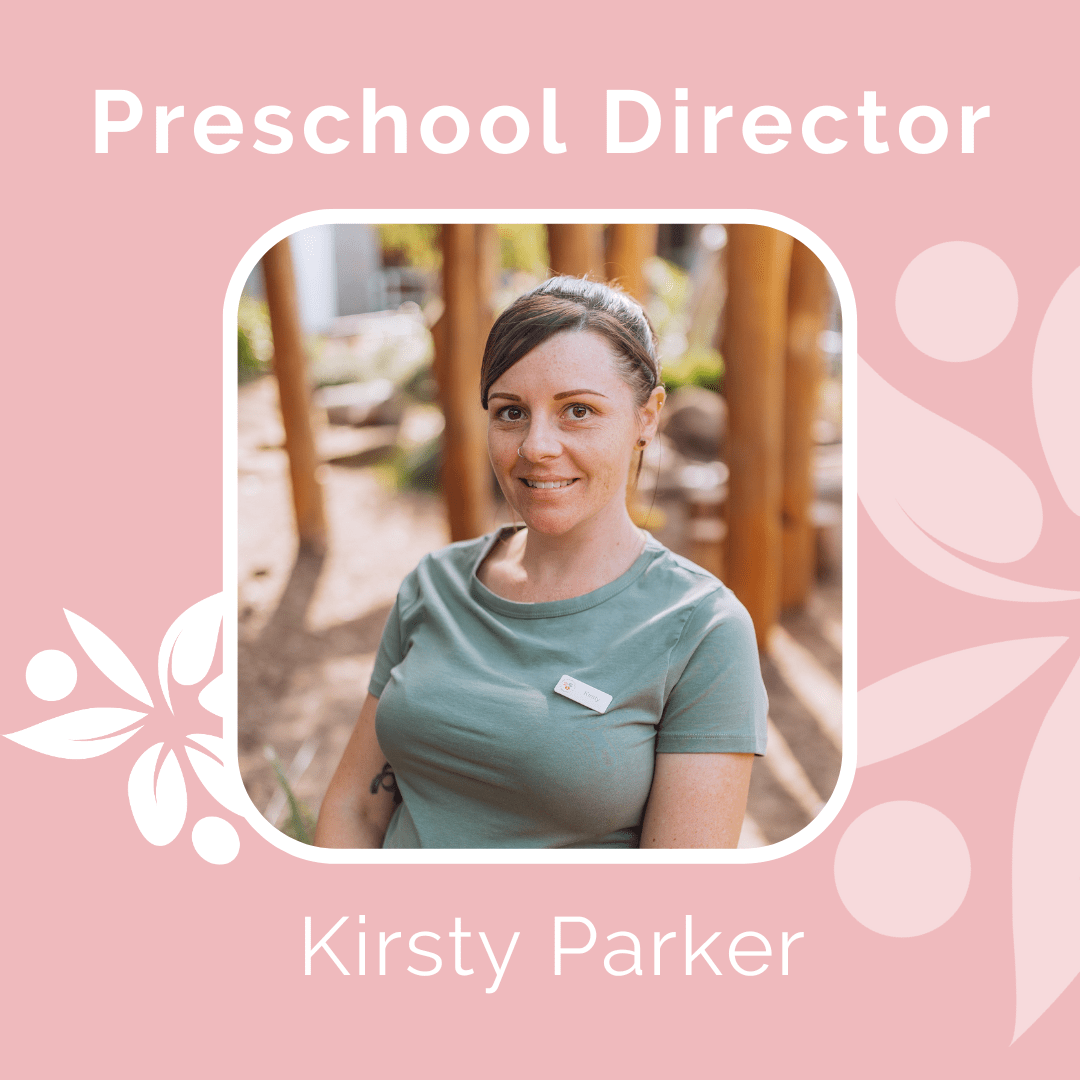
Written by our Preschool Director, Kirsty Parker